


Sub-Total: £0.00
Do reptiles like being handled?
3 min read
Do reptiles like being handled?
There are an estimated 3.4 MILLION reptile keepers in the UK. Herpetoculture has increased in popularity in the last 20 years with many different species being kept, some keepers having huge, zoo worthy collections! But do the reptiles themselves like being handled? Lets explore the lizard brain and find some answers.

- The lizard brain
The lizard brain is described in humans as – Any part of a person’s psyche or personality dominated by instinct or impulse rather than rational thought, it’s typically associated with detecting threats and processing fear.
This is a fair representation of reptiles in general. Reptiles are instinctive and react on impulse as opposed to using a rational thought process with a premeditated or expected outcome. Reptiles give little to no parental care to their offspring, many species laying eggs and abandoning them soon after. Others giving live birth, with the neonates already capable of hiding themselves away and feeding completely independently of their parents. Unlike mammals, reptiles do not have the same emotional wiring. They don’t experience love or attachment in the way we understand it. However, they can become accustomed to human presence. This means they become comfortable with being handled and don’t perceive their owner as a threat. This comfort can resemble trust, but it’s really a form of conditioned behaviour. Your pet reptile isn’t cuddling with you because it loves you – it’s just not afraid of you.
- Anything going on behind those eyes?
Reptile keepers often describe that the animals in their care have personalities. A leopard gecko might look curious, a snake might feel trusting and calm, and a tortoise can sometimes follow the owner around the garden. But are these behaviours an indication of emotional bonding, or they are just responses to stimuli?
Research shows that reptiles don’t form a bond just as mammals do, but they develop a feeling of trust and recognition. For example, Turtles and Iguanas can recognize their owners by simple sight and sound. They will approach the owner not for affection but for safety and food. Reptiles such as bearded dragons like being handled or petted. This is because they feel when being touched as they feel when basking on a warm rock.
These interactions may not necessarily come from love or happiness, but they do seem to show that reptiles are capable of meaningfully interacting with the world around them.
- But my bearded dragon likes being hugged!
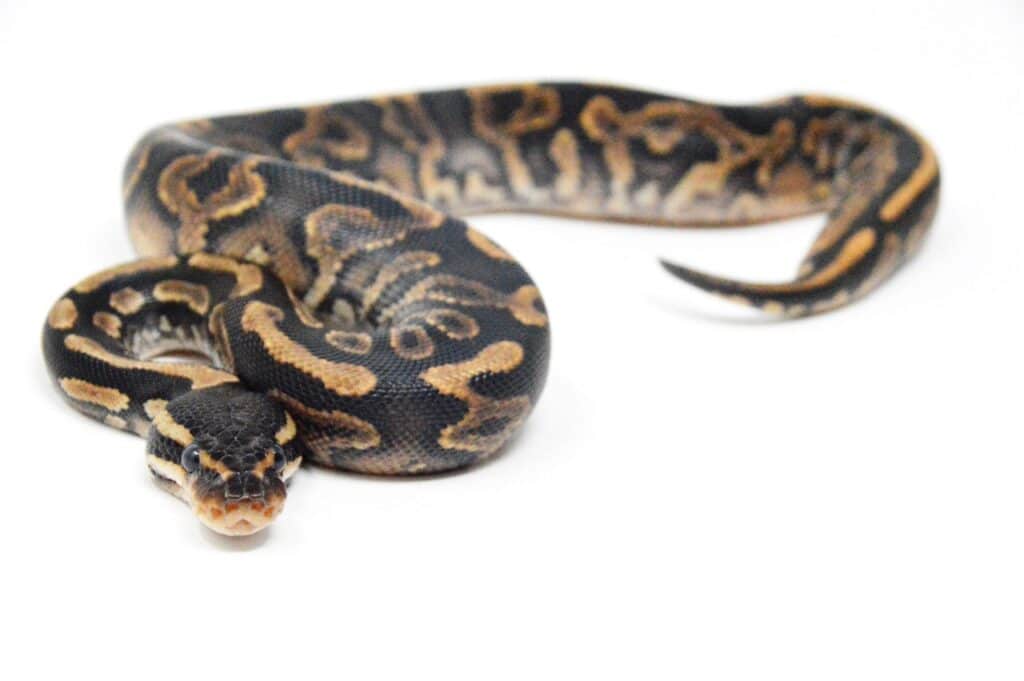
Anthropomorphism (such a wonderful word!), or ascribing human characteristics to animals, has a large impact on the interpretation of reptilian behaviour. We project our feelings onto animals when a leopard gecko “smiles” or a royal python seems to “snuggle.” These animals, unfortunately for us, don’t have a concept of smiling or snuggling. Of course, this does not mean that reptiles do not have feelings, only that understanding their behaviour is important within the context of their biology. Reptiles will gain certain levels of satisfaction and fulfilment from different activities. Hunting, feeding, basking, breeding behaviours and a feeling of comfort from familiar surroundings, highlighting again the need for excellent husbandry for the reptile’s enclosure. Bearded dragons can recognize humans, and they can build a bond of trust with them, but this bond is far from the emotional bond that is made by mammals. As we have explained earlier reptiles have a simpler brain and they don’t have the complex limbic system that is necessary to process emotions such as affection or love. Instead, reptiles rely on their instincts and learn different associations. For example, the bearded dragon may approach his or her owner at feeding time, or they may seem friendly and calm during handling as they have learned with time that human interaction is safe for them.
If someone understands reptiles (or indeed any animal) on their terms, a meaningful relationship between keepers and the animals can exist by providing for their physical and mental needs while maintaining respect for the individual animal’s ways of experiencing the world.
- So, do they like it or not?
In conclusion, reptiles can never enjoy experiences in the same way that mammals do. They don’t have the limbic system for it. They can however, experience fulfilment, contentment and pleasure in a more cold-blooded way (see what I did there?). To understand reptiles on their terms, without anthropomorphizing, is to appreciate them for the complex creatures they are and to be able to give them the best possible care, diet and enrichment. So, the next time your gecko smiles, your beardie snuggles into you or your snake hugs onto you, enjoy the moment for what it is: a glimpse into the amazing adaptations and behaviours of these remarkable and captivating animals.
Contact us and a member of our friendly reptile team will happily answer all of your questions.
Why not check out our YouTube channel for some cool videos on our reptiles and helpful tips on husbandry!


