

Sub-Total: £0.00
Heads up! Livestock sells out quickly — please give us a quick call before visiting to check availability.
Red Tail Black Shark
Price range: £6.99 through £46.44
Care level: Easy
Max Size: 15cm
Temp: 22-27°C
PH: 6-7.5
Approximate purchase size: 4-5cm
Diet: Omnivore
Compatibility: Community with caution
Minimum Tank Size: 100L
Average Life Span: 5-8 Years
Description
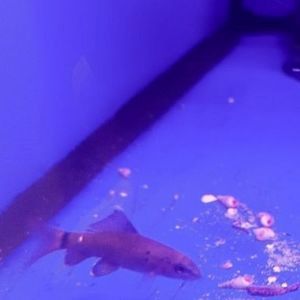
Red Tail Black Shark – Epalzeorhynchos bicolor
Overview
Red Tail Black Shark is another popular choice for larger community aquariums. This fish will grow surprisingly large and can be somewhat temperamental. Native to Thailand, these fish are actually Cypriniformes, more closely related to barbs and loaches than any shark. They are often quite bland in shops, but a few weeks in a proper aquarium will see them colour up and flourish.
Red Tail Black Shark Aquarium Set Up
The aquarium should be spacious with plenty of rocks, wood and plants to provide stimulation and hiding places, as well as encouraging biofilm to grow for the fish to graze on. Flow should be moderately high and well oxygenated as this fish inhabits largely flowing waters. Epalzeorhynchos bicolor is a very forgiving fish when it comes to water parameters, largely owing to all specimens in the hobby being tank bred. Filtration does however need to be very good as this species is quite intolerant of poor water conditions. They are not known for eating plants, but will often be seen grazing on the microorganisms that inhabit the algae that grows on them.
Behaviours of Red Tail Black Shark
This species should either be kept as a single specimen in smaller aquariums or a very large group where space permits. Anything in-between is likely to lead to excessive fighting over territory. Though it’s known for being an aggressive fish, this behaviour is usually focused largely on its own kind and other similar looking fish. In the wild, they live a solitary lifestyle, only encountering others of their own kind infrequently. Juveniles will hide most of the time, but as the fish grows, it will become more territorial and confident around the tank.
Tank Mates
Epalzeorhynchos bicolor will largely stay at the bottom of the tank, so species like danios, barbs and rainbowfish would make great tank mates as they stay predominantly at the top. Rather surprisingly, small species of tetras and other fish are perfectly safe and far less likely to get a reaction from the shark as it isn’t in the habit of eating other fish. Larger Cichlids, Knife Fish and Angelfish can also cohabit well with Red Tail black Sharks, but most loaches, catfish and bottom dwelling cichlids should be avoided as they may be considered a territorial threat.
Feeding your Red Tail Black Shark
In the wild they will feed largely on microorganisms, biofilm and small crustaceans living in the sand, so it pays to keep their diet high in protein. Food can be offered in the form of sinking wafers, pellets and regular offerings of fresh or frozen fish foods such as bloodworm, brine shrimp and daphnia.
Red Tail Black Shark FAQ
Are these suitable for beginners?
In a nutshell, yes. Though Red Tail Black Sharks come with their own challenges, they are on the whole an easy species to keep because they are not fussy about their environment
Are Red Tail black sharks easy to breed?
So far, there are no reports of successful breeding in the home aquarium. This is primarily because of the territorial nature of the fish. All specimens available in the hobby will have been bred commercially on a large scale by professional fish farmers.
I really like sharks! Can I have one in each colour?
It is not recommended that you keep more than one of these or other variations of Epalzeorhynchos in your aquarium. Exceptionally large aquariums may be able to house several specimens, but be prepared for fighting.
Is there anything else that I should be aware of with Epalzeorhynchos bicolor?
Similarly to all loaches, this is a scaleless species and this makes them very vulnerable to white spot treatment. If white spot does occur in your home aquarium, either move the shark to a separate tank or use a smaller dosage.
Please note that the image is for illustration purposes and the fish you will receive may not be identical. These fish are still juveniles and have yet to colour up. A healthy environment and good quality food will help bring them into full colour. If you have any questions about keeping these fish, please don’t hesitate to ask a member of staff.
Why not check out our YouTube channel for the latest updates on our fish tanks, livestock and many more!
Additional information
| Multibuy | 2 For, 4 For, 8 For, Each |
|---|
Related products
-
Sale!

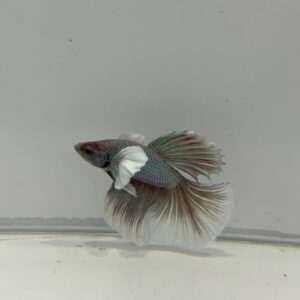
Assorted Betta Double Tail
Original price was: £19.99.£18.99Current price is: £18.99. Read more -
Cracked Zebra Pleco L236
£129.99 Read more -
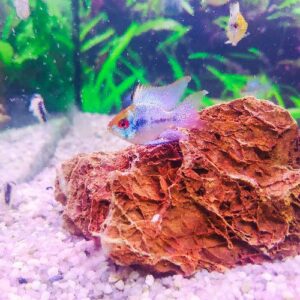
Electric Blue Ram
Price range: £10.99 through £38.43 Select options This product has multiple variants. The options may be chosen on the product page -
Bel Monte Pleco L333 – Pre-Order
£44.99 Add to cart