

Sub-Total: £0.00
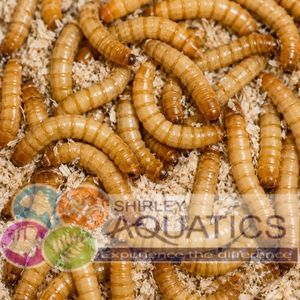
Live Mealworms Reptile Food
£2.40
- Popular livefood for reptiles, amphibians and invertebrates
- Available in Mini, Medium and Giant
- Suitable for dragons, geckos, amphibians and tarantulas
- Encourages natural hunting and feeding behaviour
- Can be gut loaded before feeding
- Easy to dust with calcium and vitamin/mineral supplements
- Relatively high in fat – best incorporated into a varied diet
- Easy to keep at home with appropriate care
- 60g pre-packed tubs
Description
Live Mealworms Reptile Food
Live Mealworms are a popular and versatile livefood for reptiles, amphibians and invertebrates. Available in Mini, Medium and Giant sizes, they can be matched to a wide range of animals, from smaller insect-eaters through to larger reptiles.
Their movement encourages natural hunting and feeding behaviour, while their relatively high fat content makes them a useful food for adding variety to a balanced diet.
Which Animals Can Eat Mealworms?
Mealworms are suitable for many insect-eating animals, including bearded dragons, geckos, frogs, newts, salamanders, tarantulas and other suitable reptiles, amphibians and invertebrates.
The appropriate size and feeding frequency will depend on the species, age and overall diet of the animal.
Our mealworms are available in:
Mini • Medium • Giant
Always select a feeder insect appropriate to the size of the animal being fed.
Feeding Mealworms
Mealworms contain useful protein but are also relatively high in fat, so they shouldn’t automatically be regarded as the sole or staple livefood for every species.
For many reptiles, they are best fed alongside a variety of other suitable livefoods to provide a more varied diet.
Mealworms can also be gut loaded before feeding, improving the nutritional value of the food contained within their digestive system when offered to your animal.
Dusting with Calcium & Supplements
Mealworms can be lightly dusted with an appropriate calcium or vitamin/mineral supplement immediately before feeding.
Correct calcium provision is particularly important for many captive reptiles and forms part of the overall husbandry required to reduce the risk of nutritional problems such as metabolic bone disease (MBD).
Supplementation requirements vary between species, so follow an appropriate feeding and supplementation programme for the animal you keep.
Keeping Live Mealworms
Mealworms are straightforward to store and can usually be kept for an extended period with appropriate care.
They can be kept in a ventilated container with bran, oats or another suitable dry substrate, which can also act as a food source.
Small pieces of suitable fresh vegetable can provide moisture. Remove uneaten fresh food before it begins to spoil and avoid excessive moisture within the container.
Cool storage slows their development and can help extend the period before they pupate and eventually become beetles.
Mealworms or Morioworms?
Although they look similar, mealworms and morioworms are different species.
Mealworms (Tenebrio molitor) are generally smaller, while morioworms are the considerably larger larvae of Zophobas morio. Morioworms can therefore be a useful alternative for larger animals requiring more substantial live prey.
Frequently Asked Questions
Are mealworms suitable for bearded dragons?
Yes. Appropriately sized mealworms can form part of a varied diet for suitable bearded dragons, although they shouldn’t automatically be used as the only livefood.
Can I dust mealworms with calcium?
Yes. Mealworms can be lightly coated with an appropriate calcium or vitamin/mineral supplement immediately before feeding.
Can mealworms be gut loaded?
Yes. Providing mealworms with nutritious food before feeding them to your animal is a useful way of improving their value as a feeder insect.
What’s the difference between Mini, Medium and Giant mealworms?
The different grades allow you to choose a feeder appropriate to the size of your animal. Mini mealworms are useful for smaller predators, while larger grades provide more substantial prey for larger animals.
Do mealworms turn into beetles?
Yes. Mealworms are the larval stage of the darkling beetle Tenebrio molitor. Given suitable conditions, they eventually pupate before emerging as adult beetles.
Are mealworms the same as morioworms?
No. They’re different species. Morioworms are substantially larger and shouldn’t simply be regarded as giant mealworms.
If you have any questions about this product, please contact us and a member of our friendly store team will be more than happy to answer all of your questions.
Why not check out our Instagram for the latest news on our products and livestock!
Additional information
| Size | Giant, Medium, Mini |
|---|---|
| Brands | Peregrine |
Related products
-

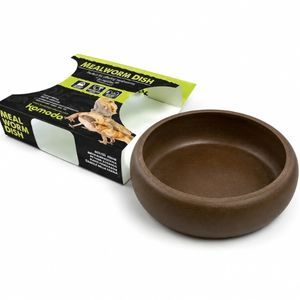
Komodo Mealworm Dish
£2.59 Add to cart -
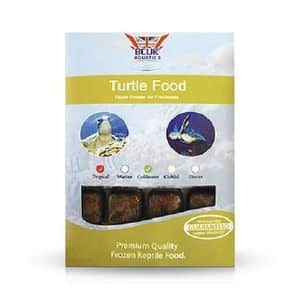
Frozen Turtle Food 100g
Price range: £1.99 through £19.00 Add to cart This product has multiple variants. The options may be chosen on the product page -
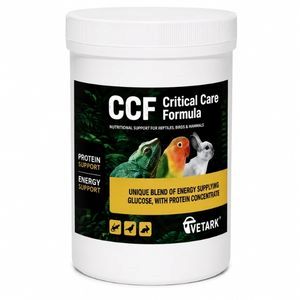
Vetark Critical Care Formula CCF
£16.99 Add to cart -
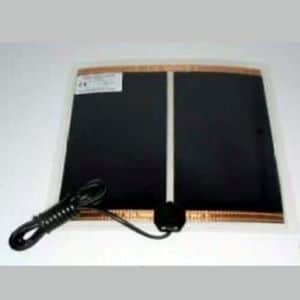
Habistat Heat Mat 6 x 11″
£17.29 Add to cart