

Sub-Total: £0.00
Heads up! Livestock sells out quickly — please give us a quick call before visiting to check availability.
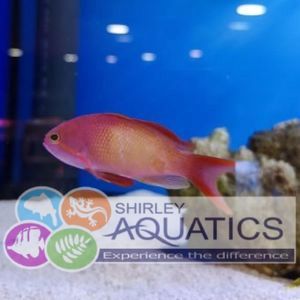
Wreck Fish – West Indian Ocean
Original price was: £35.99.£24.99Current price is: £24.99.
- Scientific name: Pseudanthias squamipinnis
- Common names: Wreck Fish, Lyretail Anthias, Sea Goldie
- Origin: Western Indian Ocean
- Maximum size: Approximately 12–15cm
- Minimum aquarium: 400 litres; larger for groups
- Temperature: 24–27°C
- pH: 8.1–8.4
- Specific gravity: 1.023–1.026
- Temperament: Generally peaceful; territorial within groups
- Diet: Carnivore – mysis, enriched brineshrimp and copepods
- Feeding: Several small meals daily
- Care level: Intermediate
- Reef safe: Yes
- Social requirements: Single specimen or carefully managed group with one male and several females
Out of stock
Description
Wreck Fish (Pseudanthias squamipinnis)
The Wreck Fish – West Indian Ocean (Pseudanthias squamipinnis) is a beautiful and active marine fish, admired for its brilliant colours and fascinating social behaviour. Also known as the Lyretail Anthias or Sea Goldie, this striking species makes a spectacular addition to a spacious reef aquarium.
Females typically display vibrant orange and peach colouring, while dominant males develop deeper pink, red and purple tones, often accompanied by an elongated tail. Their constant movement and vivid appearance make them particularly attractive in larger marine displays.
Wreck Fish – West Indian Ocean Behaviour and Compatibility
In the wild, Lyretail Anthias gather in large groups around coral reefs, where they feed on plankton carried by ocean currents.
They form a social hierarchy, usually consisting of one dominant male and several females. Interestingly, if the male disappears, the dominant female can change sex and take his place.
In aquariums, they can be kept individually or in carefully managed groups, ideally with one male and several females. However, sufficient swimming space is essential, as dominant individuals may chase or intimidate weaker fish.
Small groups can sometimes experience persistent bullying, so larger groups should only be attempted in aquariums with enough room to accommodate them comfortably.
Although generally peaceful towards unrelated species, these fish are energetic feeders and may outcompete particularly shy or slow-moving tank mates.
Aquarium Requirements
A mature marine aquarium of at least 400 litres is recommended, with considerably more space needed for larger groups.
These active swimmers prefer open water above the rockwork, together with caves and sheltered areas where they can retreat when threatened.
Good water movement, efficient filtration and stable water quality are important for their wellbeing. They are particularly well suited to established reef aquariums with plenty of swimming space.
Feeding and Diet
Wreck Fish are carnivorous planktivores that naturally feed on small crustaceans and other zooplankton.
In captivity, offer a varied diet including:
- Frozen mysis shrimp
- Enriched brineshrimp
- Copepods and other small marine foods
- High-quality, protein-rich marine pellets where accepted
Frequent feeding is particularly important. Unlike many marine fish that thrive on one or two meals daily, anthias benefit from several smaller meals spread throughout the day.
Their active lifestyle and high metabolism mean that insufficient feeding can quickly affect their condition. An automatic feeder may be helpful once the fish reliably accepts suitable prepared foods.
Are Wreck Fish Reef Safe?
Yes. Lyretail Anthias are considered reef safe and will not normally damage corals or ornamental invertebrates.
Their brilliant colours and lively swimming behaviour create a wonderful display above coral formations, particularly when maintained in a suitable group.
With regular feeding, appropriate tank mates and a spacious, well-maintained aquarium, these spectacular fish are a rewarding choice for marine fishkeepers with some experience.
If you have any questions about keeping these fish and whether they’re suitable for you, please contact us and a member of our friendly store team will be more than happy to answer all of your questions
Why not check out our other photos of some of the best livestock to have graced our tanks!