

Sub-Total: £0.00
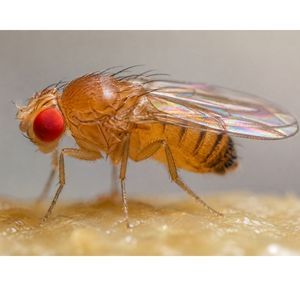
Live Flightless Fruit Fly Culture
£2.99
- Live flightless fruit fly culture
- Ideal livefood for tiny insect-eating animals
- Suitable for hatchling frogs, small amphibians, mantids and spiders
- Developing culture continually produces new flies
- Contains culture medium supporting developing larvae
- Small, soft-bodied live prey
- Encourages natural hunting and feeding behaviour
- Can be dusted with appropriate calcium or vitamin supplements
- Don’t worry if few adult flies are initially visible – the culture may still be developing
Description
Live Flightless Fruit Fly Culture
Live Flightless Fruit Fly Culture provides flies that are a small, soft-bodied live food ideal for tiny reptiles, amphibians, invertebrates and other predators that require much smaller prey than conventional livefoods.
Their tiny size makes them particularly useful for hatchling frogs, small amphibians, baby mantids, juvenile spiders and other small insect-eating animals.
Unlike ordinary pre-packed livefood, this product is supplied as a developing fruit fly culture, providing an ongoing supply of flies as new adults emerge.
How Does a Fruit Fly Culture Work?
The tub contains a prepared culture medium that provides food for the developing fruit fly larvae.
At different stages of the culture you may see adult flies, larvae, pupae or very little obvious activity at all. This is perfectly normal.
A newly received culture can sometimes appear almost empty, particularly when one generation of adult flies has finished but the next is still developing. Look closely around the culture medium and sides of the tub and you may be able to see larvae or pupae developing.
As the culture matures, new adult flies will continue to emerge, providing livefood over a longer period than a single tub of loose insects.
Ideal for Small Predators
Fruit flies are particularly useful for animals that struggle with larger livefoods.
They can be offered to suitable:
- Frogs and small amphibians
- Hatchling and juvenile reptiles
- Mantids
- Spiders and other small arachnids
- Small insect-eating invertebrates
Their movement naturally encourages hunting and feeding behaviour while their small size makes them manageable for tiny predators.
Dusting Fruit Flies
Fruit flies can be lightly dusted with an appropriate calcium or vitamin supplement immediately before feeding where this forms part of the animal’s recommended supplementation programme.
Place the required number of flies into a suitable container or bag with a small amount of supplement, gently coat them and feed promptly.
Caring for Your Fruit Fly Culture
Keep the culture at a suitable room temperature away from direct sunlight and excessive heat.
Don’t assume the culture has failed simply because there are temporarily few adult flies visible. The larvae and pupae already developing inside may produce the next generation shortly afterwards.
Avoid allowing excessive moisture or contamination into the culture, as this can shorten its useful life.
Frequently Asked Questions
Why are there hardly any flies in my fruit fly culture?
Fruit fly cultures naturally go through different stages. There may be periods when relatively few adults are visible while larvae and pupae are developing. New flies can begin emerging as the culture progresses.
What are the little white larvae in the bottom of the tub?
These are developing fruit fly larvae and are a good indication that the culture is active. They feed on the prepared medium before pupating and eventually emerging as adult flies.
Are these fruit flies flightless?
Yes. These cultures contain flightless fruit flies, making them considerably easier to manage as livefood than normal flying fruit flies.
Can I dust fruit flies with calcium?
Yes. Fruit flies can be lightly dusted with an appropriate calcium or vitamin supplement immediately before feeding where supplementation is suitable for the animal being kept.
What animals eat fruit flies?
They’re particularly useful for very small insectivorous animals, including hatchling frogs, small amphibians, juvenile mantids and spiders, as well as other predators requiring tiny live prey.
If you have any questions about this product, please contact us and a member of our friendly store team will be more than happy to answer all of your questions.
Why not check out our Instagram for the latest updates on our livestock, special offers and what’s hot in store right now.
Additional information
| Brands | Peregrine |
|---|
Related products
-

Habistat Heat Mat 6 x 11″
£17.29 Add to cart -
Frozen Day Old Chicks
£0.25 Add to cart -
Frozen Guinea Pig Standard Reptile Food
£10.50 Add to cart -
Frozen Mice – Pinkies to Extra Large Reptile Food
Price range: £0.40 through £2.15 Select options This product has multiple variants. The options may be chosen on the product page