

Sub-Total: £0.00
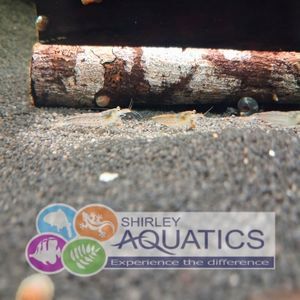
Amano Shrimp
Price range: £4.59 through £16.05
Care level: Easy
Max Size: 5cm
Temp: 15-28°C
PH: 6.0 – 8.0
Approximate purchase size: 1cm
Diet: Omnivore
Compatibility: Community
Description
Amano Shrimp – Caridina Multidentata
The Amano Shrimp was introduced to the hobby in the 1980’s by the Famous Takashi Amano. To this day, they are one of the most popular choices of algae eaters. Unlike plecos and other algae eating fish, the Amano will only grow to 5cm and will actively consume algae throughout its life. Best kept in social colonies, they may not be the prettiest shrimp you’ll have and will spend much of their time hiding (sometimes in plain sight), but their algae eating is unrivalled. They will also happily consume uneaten food and rotting plant matter.
Amano Shrimp Set Up
Amanos are one of the least needy shrimp, particularly for a caridina. They don’t really have minimum tank requirement, owing to their low bioload, but it is highly recommended that their generous adult size is taken into account when choosing this species. The aquarium should be well oxygenated, with medium flow. This species does benefit greatly from a well planted set up as it allows them to feel secure and less vulnerable to predation, particularly after molting. Substrate and lighting isn’t of any particular importance. The most important thing for keeping any shrimp is that the aquarium is stable and mature, as fluctuations can become problematic for shrimp.
Compatibility
These shrimp can be kept with most species of tropical and temperate community fish. Due to their larger adult size, they are far less likely to be predated on than cherry shrimp, but it is important to keep in mind that you are buying juveniles, so do make sure that your fish aren’t already large enough to eat them. As with all shrimp, the order of the day revolves almost exclusively around foraging, so they will not take a great deal of interest in tank mates and don’t have the means to be problematic.
Amano Shrimp Breeding
Amano breeding is a tricky matter. These shrimp do not breed in fresh water, so a population issue is not likely to ever occur. However, if breeding is desired, the females must be monitored regularly. They will carry their eggs for several weeks, before releasing larvae when they are ready. The larvae will need to then be transferred to brackish conditions and grown on until they become young shrimp. The juvenile shrimp will then need to be gradually acclimatised to freshwater conditions once more. Adult amanos can’t be kept in brackish water and will not survive.
Acclimatisation
Amanos don’t have any special requirements, but as with all shrimp, acclimatisation is very important. We recommend that the shrimp are introduced to the aquarium using the drip method. If this isn’t possible, it is recommended that in addition to floating, the water in their bag is very slowly mixed together with water from the aquarium to bring the pH and KH to the same level and not shock the shrimp.
If you have any questions about keeping this shrimp, please contact us and a member of our friendly store team will be more than happy to answer all of your questions
Why not check out our Instagram for the latest news on our products and livestock!
Additional information
| Multibuy | 2 For, 4 For, Each |
|---|
Related products
-

Assorted Discus Large
Price range: £74.99 through £120.00 Select options This product has multiple variants. The options may be chosen on the product page -
Sale!
Siamese Algae Eater
Price range: £3.89 through £27.50 Select options This product has multiple variants. The options may be chosen on the product page -
Spotted Hillstream Loach
Price range: £13.99 through £26.02 Select options This product has multiple variants. The options may be chosen on the product page -
Sale!
Assorted Betta Double Tail
Original price was: £19.99.£18.99Current price is: £18.99. Read more