

Sub-Total: £0.00
Heads up! Livestock sells out quickly — please give us a quick call before visiting to check availability.

Red Platy
Price range: £2.49 through £63.53
Scientific Name: Xiphophorus maculatus
Common Name: Red Platy
Adult Size: Approximately 5–6cm
Minimum Aquarium: 60cm length recommended
Temperature: 20–26°C
pH: Approximately 7.0–8.2
Temperament: Peaceful and sociable
Diet: Omnivorous
Swimming Level: Middle to upper levels
Difficulty: Easy
Suitable For: Peaceful tropical community aquariums
Approximate Purchase Size: 3cm
Description
Red Platy – Xiphophorus maculatus
The Red Platy is a colourful, easy-going livebearer and one of the most popular choices for a peaceful tropical community aquarium. Selectively bred for its rich red colouration, it provides an instant splash of colour without requiring particularly demanding care.
Platies are active, sociable fish that spend much of their time exploring the middle and upper areas of the aquarium. Their manageable size and generally peaceful temperament make them a good choice for newer fishkeepers, while their huge variety of colours and patterns means they remain popular with experienced aquarists too.
Red Platy Set Up
Red Platies are best kept in a well-filtered aquarium with plenty of swimming room alongside planted or sheltered areas.
They prefer moderately hard to hard water and are particularly well suited to areas where naturally harder tap water can make keeping some soft-water species more challenging.
Live plants work very well with Platies and provide additional cover, particularly if females are kept with males or if you would like some of their fry to survive.
Good filtration and regular partial water changes will help keep these active little livebearers in excellent condition.
Red Platy Behaviour
Red Platies are generally peaceful, active and sociable.
They don’t need to be kept in a tightly coordinated shoal, but we recommend keeping several together rather than a single Platy on its own.
If keeping males and females together, males will regularly pursue females. Keeping a greater proportion of females can help spread this attention rather than allowing one female to be continually harassed.
And, as with virtually all livebearers, mixed sexes usually mean one thing sooner or later: babies!
Tank Mates
Red Platies are excellent community fish and can be kept alongside a wide variety of peaceful species that appreciate similar water conditions.
Other Platies, Mollies, Swordtails and many peaceful barbs and rainbowfish can make suitable companions, along with appropriate bottom-dwelling species.
The important consideration is water chemistry as well as temperament. Platies favour harder, more mineral-rich water, so we wouldn’t automatically recommend every peaceful tropical species simply because it isn’t aggressive.
Avoid large predatory fish and persistent fin-nippers.
Feeding
Red Platies are omnivorous and very straightforward to feed.
A good-quality tropical flake or small pellet makes an excellent everyday food, supplemented with frozen or live foods such as brineshrimp, daphnia and bloodworm.
Vegetable matter should also form part of their diet. Platies naturally pick at algae and other edible material around the aquarium, and foods containing spirulina or other plant-based ingredients make a useful addition to their feeding routine.
A varied diet is the best way to maintain healthy growth, condition and strong colouration.
Frequently Asked Questions
How big do Red Platies grow?
Adults generally reach around 5–6cm, with females usually becoming somewhat larger and fuller-bodied than males.
How many Platies should I keep together?
We recommend keeping a small group rather than a single fish. If keeping both sexes, aim for more females than males to reduce persistent attention towards individual females.
Are Red Platies suitable for beginners?
Yes. Platies are relatively hardy, adaptable and straightforward to feed, making them an excellent choice for someone starting their first tropical community aquarium.
How can you tell male and female Platies apart?
Adult males have a modified, pointed anal fin known as a gonopodium, while females have a broader, fan-shaped anal fin. Females also tend to develop a larger, rounder body.
Do Red Platies lay eggs?
No. Platies are livebearers, meaning females give birth to free-swimming young rather than laying eggs.
Will Platies eat their babies?
They can. Adult Platies don’t provide parental care and may eat newly born fry. Dense planting and fine-leaved plants provide hiding places, although a separate rearing aquarium gives considerably more fry a chance of survival.
Can Red Platies be kept in soft water?
Platies naturally prefer moderately hard to hard, mineral-rich water. We wouldn’t choose them for an aquarium specifically maintained with very soft, acidic water.
If you have any questions about keeping the Red Platy and whether they’re suitable for you, please contact us and a member of our friendly store team will be more than happy to answer all of your questions
Why not check out our other photos of some of the best livestock to have graced our tanks!
Additional information
| Quantity | x1, x4, x8, x16, x32 |
|---|
Related products
-

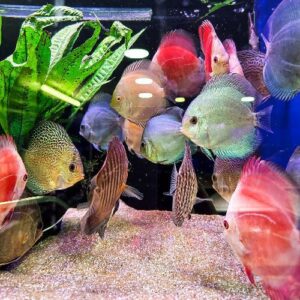
Assorted Discus
Price range: £61.99 through £110.00 Select options This product has multiple variants. The options may be chosen on the product page -
Bristlenose Catfish
Price range: £7.09 through £47.11 Select options This product has multiple variants. The options may be chosen on the product page -
Sale!
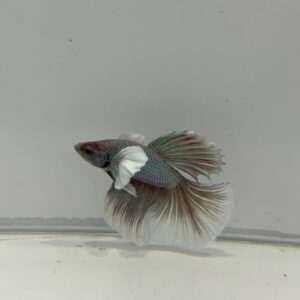
Assorted Betta Double Tail
Original price was: £19.99.£18.99Current price is: £18.99. Read more -
Sale!
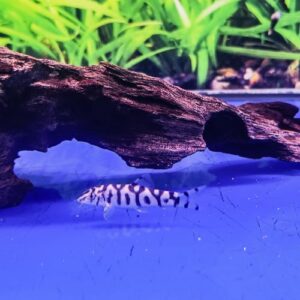
Yoyo Loach
Price range: £5.09 through £33.82 Select options This product has multiple variants. The options may be chosen on the product page