

Sub-Total: £0.00
Heads up! Livestock sells out quickly — please give us a quick call before visiting to check availability.
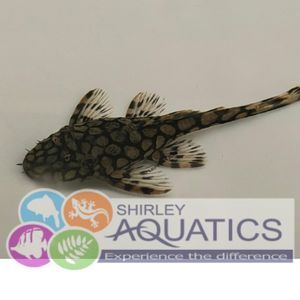
L519 Honeycomb Bristlenose
£44.99
- Scientific name: Ancistrus sp. L519
- Common name: Honeycomb Bristlenose / Rio Iténez Bristlenose
- L-number: L519
- Maximum size: Approximately 10–11cm
- Temperature: 23–28°C
- pH: 6.0–7.5
- Minimum aquarium: 100 litres recommended
- Temperament: Peaceful, occasionally territorial towards other plecos
- Diet: Omnivorous, predominantly algae, biofilm and vegetable-based foods
- Care level: Easy to moderate
- Origin: Río Iténez (Guaporé), Bolivia
- Compatibility: Peaceful tropical community fish
- Special requirements: Driftwood, caves, good filtration and well-oxygenated water
Description
Honeycomb Bristlenose L519 – Ancistrus sp.
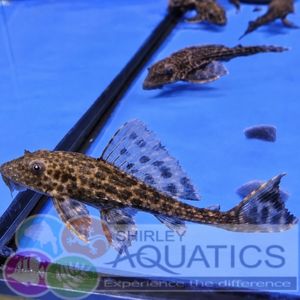
The Honeycomb Bristlenose (Ancistrus sp. L519) is a beautifully patterned freshwater catfish originating from the Río Iténez drainage in Bolivia. This unusual species is particularly admired for its intricate, dark honeycomb markings against a reddish-brown or olive-brown background.
Unlike many larger plecos, the L519 remains relatively small, typically reaching around 10–11cm. Its manageable adult size, peaceful temperament and attractive appearance make it an excellent choice for aquarists seeking something different from the familiar Common Bristlenose.
Interestingly, each individual develops its own distinctive pattern, making these fish particularly appealing to pleco enthusiasts.
Honeycomb Bristlenose Care and Aquarium Requirements
A mature aquarium of approximately 100 litres or larger is recommended, with plenty of floor space and suitable hiding places.
Provide driftwood, smooth rocks and caves to create a natural environment. These fish spend much of their time exploring surfaces, grazing on algae and biofilm, or resting beneath decorations.
Good filtration, moderate water movement and well-oxygenated water are important for their long-term health.
Maintain temperatures between 23–28°C and a pH of approximately 6.0–7.5. Unlike some tropical plecos, L519 can tolerate occasional cooler conditions, although stable temperatures are preferable.
Temperament and Suitable Tank Mates
Honeycomb Bristlenose Plecos are generally peaceful towards other fish and make suitable additions to established tropical community aquariums.
Good companions include Tetras, Rasboras, Corydoras, peaceful Gouramis and other similarly sized community species.
Although not particularly aggressive, mature individuals may become territorial when competing for favourite caves or resting places.
If keeping several plecos together, provide additional floor space and multiple shelters to reduce competition.
L519 Honeycomb Bristlenose Feeding and Diet
The L519 is an enthusiastic grazer that feeds on algae and natural biofilm. However, it should never be expected to survive entirely on the algae growing within an aquarium.
Offer a varied diet including:
- Quality algae wafers and spirulina tablets
- Sinking pleco pellets
- Blanched courgette and cucumber
- Other suitable vegetable matter
- Occasional frozen Bloodworm or Brine Shrimp
Driftwood provides additional grazing surfaces and valuable shelter.
Feeding after the aquarium lights have dimmed can help ensure shy individuals receive sufficient food.
Appearance and Natural Behaviour
The most striking feature of the Honeycomb Bristlenose is its unusual network of dark markings, which form an intricate pattern across the body and fins.
Colouration varies between individuals, with some displaying warm reddish tones while others appear more olive-brown.
Unlike certain patterned plecos that become less colourful with age, L519 generally retains its attractive markings into adulthood.
Mature males develop the characteristic fleshy bristles around the snout, while females usually have much smaller or fewer growths.
These fish are most active during the evening, although established specimens often become confident enough to venture out during daylight hours.
Breeding Honeycomb Bristlenose Plecos
Like other members of the Ancistrus genus, L519 is a cave-spawning species that can reproduce successfully in captivity.
A mature male selects a suitable cave, where the female deposits her eggs. The male then guards and fans the eggs until they hatch.
Providing appropriately sized breeding caves, excellent water quality and a nutritious diet will help encourage successful spawning.
A Distinctive Small Pleco
With its beautiful honeycomb markings, manageable adult size and peaceful nature, the L519 is an excellent alternative to more commonly available bristlenose varieties.
Its combination of unusual appearance, algae-grazing behaviour and relatively straightforward care makes it a rewarding addition to a well-maintained freshwater aquarium.
Please note that the image is for illustration purposes and the fish you will receive may not be identical. These fish are still juveniles and have yet to colour up. A healthy environment and good quality food will help bring them into full colour. If you have any questions about keeping these fish, please don’t hesitate to ask a member of staff.
Why not check out our YouTube channel for the latest updates on our fish tanks, livestock and many more!
Additional information
| Multibuy | 2 For, 4 For, 8 For, Each |
|---|
Related products
-

Assorted Dumbo Betta
£19.99 Read more -
Sale!
Common Pleco
Price range: £6.99 through £24.44 Select options This product has multiple variants. The options may be chosen on the product page -
Alenquer Tiger Pleco L397
£69.99 Read more -
Albino Gibbiceps Pleco
£9.99 Read more