

Sub-Total: £0.00
Heads up! Livestock sells out quickly — please give us a quick call before visiting to check availability.
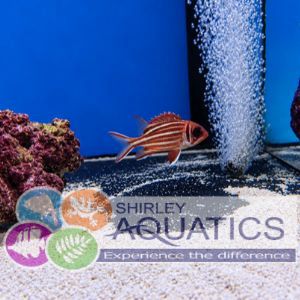
Crown Squirrelfish
£29.99
Scientific name: Sargocentron diadema
Common name: Crown Squirrelfish
Maximum size: Approximately 17cm
Minimum aquarium: 250 litres recommended
Temperature: 23–27°C
pH: 8.1–8.4
Specific gravity: 1.023–1.026
Temperament: Generally peaceful, occasionally territorial
Diet: Carnivore
Reef safe: With caution
Care level: Intermediate
Origin: Indo-Pacific
Activity: Primarily nocturnal
Best kept: In a mature marine aquarium with plenty of caves and shaded rockwork
Available on backorder
Description
Crown Squirrelfish
The Crown Squirrelfish (Sargocentron diadema) is a striking marine fish with a vivid red body, delicate white horizontal stripes and large, expressive eyes. Its distinctive markings and unusual nocturnal habits make it a fascinating addition to a marine aquarium.
Native to the Indo-Pacific, this species naturally inhabits coral reefs, spending much of the day sheltering beneath ledges and inside rocky crevices. As the aquarium lights begin to dim, it becomes increasingly active, emerging to search for food.
Reaching approximately 17cm, this attractive squirrelfish is relatively hardy once established, although its preference for shaded surroundings and its predatory feeding habits should be considered when choosing tank mates.
Crown Squirrelfish Set Up
A mature marine aquarium of at least 250 litres is recommended, with larger systems preferable.
Provide plenty of established rockwork containing caves, overhangs and shaded retreats. These sheltered areas are particularly important, as squirrelfish naturally avoid bright light and may remain hidden for much of the day.
Leave sufficient open swimming space around the rockwork and ensure that caves are large enough for the fish to turn around comfortably.
Subdued lighting or shaded areas will help encourage more natural behaviour.
Crown Squirrelfish Behaviour
Crown Squirrelfish are generally peaceful towards fish that are too large to be considered prey, although they can be territorial around preferred hiding places.
They are primarily nocturnal, often becoming most active during the evening and after the aquarium lights have gone out.
Their large eyes are adapted for low-light conditions, allowing them to navigate and hunt effectively in dimly lit environments.
Although they may initially appear shy, established specimens often become more confident, particularly around feeding time.
Tank Mates
Suitable companions include peaceful to moderately assertive marine fish of a similar size.
They can coexist with many larger clownfish, tangs, angelfish and other suitable community species, provided the aquarium offers adequate space.
Avoid very small fish that could potentially be swallowed, along with ornamental shrimps and other small crustaceans.
Aggressive tank mates should also be avoided, as they may prevent this naturally shy species from feeding comfortably.
Feeding
The Crown Squirrelfish is a carnivore that naturally feeds on small crustaceans and other marine invertebrates.
Suitable aquarium foods include:
-
Frozen mysis shrimp
-
Enriched brineshrimp
-
Chopped marine prawns
-
Small pieces of mussel
-
Quality frozen marine carnivore preparations
-
Suitable sinking marine pellets, once accepted
Newly introduced specimens may prefer frozen foods initially.
Offering food during the evening or shortly before the aquarium lights go out can encourage feeding and help shy individuals settle.
Is the Crown Squirrelfish Reef Safe?
Reef safe with caution.
This species does not normally feed on healthy corals, making it suitable for many established reef aquariums.
However, its predatory nature means that small ornamental shrimps, tiny crustaceans and other vulnerable invertebrates may be eaten.
It is therefore better suited to reef systems containing larger, established inhabitants rather than aquariums heavily stocked with small ornamental invertebrates.
Water Parameters
Temperature: 23–27°C pH: 8.1–8.4 Specific gravity: 1.023–1.026 Alkalinity: Approximately 8–12 dKH
Maintain stable water chemistry, good filtration and adequate oxygenation.
Care Level
Intermediate
Once established, this species is generally hardy and readily accepts a varied diet of frozen marine foods.
Its nocturnal habits, need for suitable hiding places and potential to prey upon small aquarium inhabitants make it better suited to aquarists with some marine experience.
With appropriate surroundings and compatible tank mates, it can become a fascinating long-term aquarium resident.
This species is strictly for marine aquariums and must not be kept in freshwater (tropical or coldwater) or terrestrial environments, as they will not survive outside of saltwater conditions.
If you have any questions about keeping this fish , please contact us and a member of our friendly store team will be more than happy to answer all of your questions and advise on best practice.
Why not check out our Instagram for the latest news on our products and livestock!