The Common Angelfish (Pterophyllum scalare) is one of the most recognisable freshwater tropical fish, admired for its elegant triangular shape, graceful swimming style and striking silver body with bold black vertical stripes. A long-standing favourite among fishkeepers, this beautiful South American cichlid makes an impressive centrepiece for a suitably sized aquarium.
Unlike selectively bred varieties such as Marble, Koi and Gold Angelfish, the classic Common Angelfish displays the traditional striped appearance associated with its wild ancestors.
Common Angelfish – Appearance and Behaviour
With its tall, flattened body, extended dorsal and anal fins and delicate trailing pelvic fins, the angelfish has an unmistakable appearance.
Its silver colouring is decorated with dark vertical bands that help break up its outline among aquatic plants and submerged branches. These markings can become lighter or darker depending on the fish’s mood, surroundings and level of stress.
Young angelfish are naturally social and often swim together in loose groups. As they mature, they establish a hierarchy and may form breeding pairs.
Although generally peaceful for cichlids, adults can become territorial, particularly when defending eggs or young. Providing sufficient space and sheltered areas helps reduce disagreements.
Aquarium Requirements
Native to South America, angelfish inhabit slow-moving rivers, sheltered waterways and flooded forest environments.
A mature aquarium of approximately 200 litres or more, with at least 50cm of usable water height, is recommended for a compatible adult pair. Larger aquariums are needed for groups.
Adult specimens can reach approximately 15cm in body length and over 20cm in overall height, making aquarium height particularly important.
Tall plants such as Amazon Swords and Vallisneria create a natural environment, while driftwood and submerged branches provide shelter and help establish territories.
Leave plenty of open swimming space so the fish can move comfortably without damaging their delicate fins.
These fish prefer warm, stable water, ideally soft to moderately hard and slightly acidic to neutral. Captive-bred specimens can adapt to a wider range of conditions, provided changes are gradual.
Gentle to moderate filtration and regular partial water changes will help maintain excellent water quality.
Suitable Tank Mates
Common Angelfish can make excellent community fish when housed with carefully selected companions.
Suitable tank mates include:
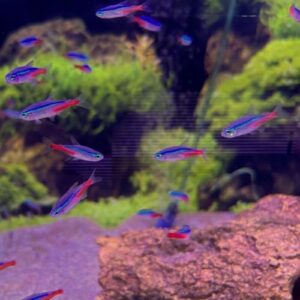
Larger peaceful tetras
Corydoras catfish suited to warmer water
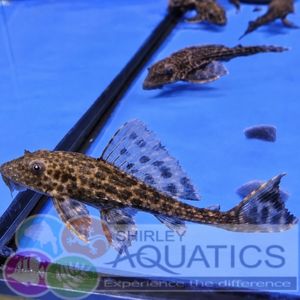
Bristlenose Plecos
Peaceful medium-sized rasboras
Other non-aggressive community fish of suitable size
Although generally peaceful, angelfish are still cichlids and may eat smaller fish that fit into their mouths.
Tiny tetras, small rasboras and young livebearers may therefore be unsuitable companions for fully grown specimens.
Avoid aggressive fish, persistent fin-nippers and species likely to harass their long fins.
Common Angelfish Feeding and Diet
Common Angelfish are omnivores and readily accept a varied aquarium diet.
Suitable foods include:
Quality tropical flakes
Cichlid granules and pellets
Frozen bloodworm
Frozen brineshrimp
Frozen mysis shrimp
Suitable live foods
A varied diet helps maintain good condition and encourages natural feeding behaviour.
Offer appropriately sized portions once or twice daily, avoiding overfeeding.
A Timeless Aquarium Favourite
With their elegant shape, classic striped markings and fascinating personalities, these beautiful fish remain among the most popular tropical aquarium species.
Their distinctive appearance and engaging social behaviour make them particularly rewarding for fishkeepers who enjoy watching their aquarium inhabitants interact.
Given sufficient space, suitable companions and stable water conditions, Common Angelfish can become a magnificent centrepiece for an established tropical aquarium.
If you have any questions about keeping this fish, please contact us and a member of our friendly store team will be more than happy to answer all of your questions
Why not check out our YouTube channel for the latest updates on our fish tanks, livestock and many more!