


Sub-Total: £0.00
Heads up! Livestock sells out quickly — please give us a quick call before visiting to check availability.
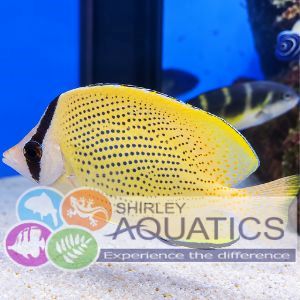
Citron Butterflyfish
£29.99
Scientific name: Chaetodon citrinellus
Common name: Citron Butterflyfish / Speckled Butterflyfish
Maximum size: Approximately 13cm
Minimum aquarium: 300 litres recommended
Temperature: 23–27°C
pH: 8.1–8.4
Specific gravity: 1.023–1.026
Temperament: Peaceful
Diet: Omnivore
Reef safe: No
Care level: Intermediate
Origin: Indo-Pacific
Best kept: Singly in a mature fish-only marine aquarium
Available on backorder
Description
Citron Butterflyfish
The Citron Butterflyfish (Chaetodon citrinellus), also known as the Speckled Butterflyfish, is an attractive marine species recognised by its pale yellow body, delicate dark spots and distinctive black stripe running through the eye.
Native to the Indo-Pacific, this peaceful butterflyfish reaches approximately 13cm and spends much of its time exploring rockwork in search of food. Its relatively modest adult size makes it appealing, although its specialised feeding habits mean it is best suited to experienced marine fishkeepers with established aquariums.
Citron Butterflyfish Set Up
A mature marine aquarium of at least 300 litres is recommended, with larger systems offering more swimming and grazing space.
Provide plenty of established rockwork with caves and sheltered areas, alongside open swimming space. This species naturally inhabits coral reefs and lagoons, where it searches for algae and small invertebrates.
A fish-only aquarium with live rock is the most suitable environment.
Citron Butterflyfish Behaviour
Generally peaceful, this butterflyfish can initially be shy and may spend considerable time hiding after introduction.
Once settled, it becomes more confident and actively explores the aquarium. Although usually tolerant of unrelated species, it may show territorial behaviour towards other butterflyfish.
Wild specimens frequently form pairs, but keeping a single individual is generally the safest option for most home aquariums.
Tank Mates
Suitable companions include peaceful to moderately assertive marine fish such as clownfish, suitable gobies, blennies and smaller tangs in appropriately sized aquariums.
Avoid aggressive species that may intimidate it or prevent it from feeding.
Other butterflyfish should be introduced cautiously, particularly those with similar body shapes or colouring.
Feeding
The Citron Butterflyfish is an omnivore that naturally feeds on algae, coral polyps, small worms and other marine invertebrates.
In captivity, offer a varied diet including:
-
Frozen mysis shrimp
-
Enriched brineshrimp
-
Finely chopped marine seafood
-
Spirulina-based foods
-
Marine algae and seaweed
-
Quality frozen marine preparations
Some specimens may initially be reluctant to accept prepared foods. Offering suitable frozen foods in small, frequent meals can help encourage feeding.
A mature aquarium with established rockwork provides valuable additional grazing opportunities.
Is the Citron Butterflyfish Reef Safe?
No.
This species naturally feeds on coral polyps and may also investigate other sessile invertebrates, including feather duster worms and clam mantles.
Although individual behaviour varies, it should not be considered reliable in a coral reef aquarium.
A mature fish-only marine system with live rock is strongly recommended.
Water Parameters
Temperature: 23–27°C pH: 8.1–8.4 Specific gravity: 1.023–1.026 Alkalinity: Approximately 8–12 dKH
Stable water conditions are important, particularly during acclimatisation. Avoid introducing this species to newly established or unstable marine aquariums.
Care Level
Intermediate
Although relatively peaceful and adaptable compared with some more specialised butterflyfish, this species requires careful attention to feeding.
Newly imported specimens may need encouragement to accept prepared foods, so it is important to ensure they are feeding confidently.
Once established, they can become attractive and rewarding inhabitants of a suitable marine aquarium.
This species is strictly for marine aquariums and must not be kept in freshwater (tropical or coldwater) or terrestrial environments, as they will not survive outside of saltwater conditions.
If you have any questions about keeping this fish , please contact us and a member of our friendly store team will be more than happy to answer all of your questions and advise on best practice.
Why not check out our Instagram for the latest news on our products and livestock!


