

Sub-Total: £0.00
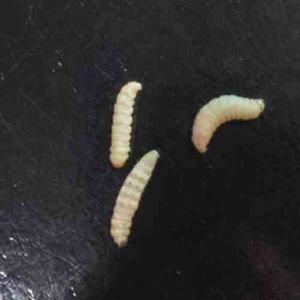
Live Waxworms Reptile Food
£2.40
- Soft-bodied livefood for reptiles, amphibians and invertebrates
- Particularly palatable and useful for fussy or reluctant feeders
- Suitable for dragons, geckos, chameleons, frogs and tarantulas
- Can be offered occasionally to appropriately sized axolotls
- High in fat – best fed in moderation
- Excellent for adding variety to a balanced feeding programme
- Soft-bodied and easy for many animals to take
- Store somewhere cool and dry, ideally around 10–15°C
- 50g pre-packed tub
Description
Live Waxworms Reptile Food
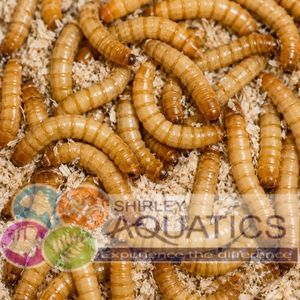
Live Waxworms are soft-bodied feeder insects particularly popular with reptiles, amphibians and invertebrates. Their soft texture and wriggling movement make them easy for many animals to take, while their high fat content makes them an especially tempting livefood.
Waxworms are the larvae of wax moths and are best offered as an occasional treat or as part of a varied feeding programme, rather than relied upon as the main livefood for most animals.
A Treat for Reptiles & Amphibians
Waxworms are naturally high in fat compared with many commonly fed insects. This makes them highly palatable but also means they should generally be fed in moderation.
They’re particularly useful for adding variety alongside other livefoods such as crickets, locusts and mealworms.
Their soft bodies can also make them easier for suitable animals to eat than some harder-bodied feeder insects.
Useful for Reluctant Feeders
Waxworms are often readily accepted by animals that are showing little interest in their normal livefood.
Their movement, soft body and high fat content can make them particularly attractive to fussy or reluctant feeders.
However, an unexplained loss of appetite or body condition can indicate an underlying husbandry or health problem. Live Waxworms shouldn’t simply be used to mask persistent weight loss or poor feeding, and veterinary advice should be sought where appropriate.
Which Animals Can Eat Live Waxworms?
Appropriately sized waxworms can be offered to many insect-eating animals, including:
Bearded dragons, geckos, chameleons, frogs, salamanders, axolotls, tarantulas and other suitable reptiles, amphibians and invertebrates.
How frequently they should be offered will depend on the species, age, condition and remainder of the animal’s diet.
Live Waxworms for Axolotls
Waxworms can be offered occasionally to appropriately sized axolotls, but they shouldn’t replace nutritionally appropriate staple foods.
Their soft bodies make them relatively easy to consume, but their high fat content means they’re much better regarded as an occasional food than a regular part of an axolotl’s diet.
How to Store Live Waxworms
Waxworms can survive for a considerable period without conventional feeding, but storage temperature is important.
Keep them in a cool, dry place, ideally at approximately 10–15°C, to slow their development.
Avoid keeping them somewhere warm, as this encourages them to develop and eventually pupate. A normal household refrigerator can be too cold, so don’t automatically store them alongside refrigerated livefoods.
Keep the container secure and well ventilated.
Waxworms for Fish
Waxworms aren’t just for reptiles. Many larger insect-eating freshwater fish will readily take waxworms, and their wriggling movement can trigger a strong natural feeding response.
They can be particularly appealing to larger cichlids and other predatory or omnivorous fish accustomed to taking insects and larvae. Because waxworms are high in fat, they are best offered as an occasional treat rather than a staple fish food.
Always choose appropriately sized waxworms for the fish being fed and avoid overfeeding.
Live Waxworms Reptile Food Frequently Asked Questions
Are waxworms high in fat?
Yes. Waxworms are considerably higher in fat than many commonly used feeder insects. This is one reason animals find them so appealing, but it also means they’re generally best fed in moderation.
Can bearded dragons eat waxworms?
Yes. Waxworms can be offered to appropriately sized bearded dragons as part of a varied diet, but their high fat content makes them better suited to occasional feeding than use as a staple livefood.
Are waxworms good for fussy eaters?
They can be. Waxworms are highly palatable and their movement can attract reluctant feeders. Persistent loss of appetite should still be investigated rather than simply compensated for with richer foods.
Can axolotls eat waxworms?
Appropriately sized axolotls can take waxworms occasionally, but they shouldn’t replace a suitable staple diet.
Should waxworms be kept in the fridge?
A standard household refrigerator is generally colder than ideal. Waxworms are better stored somewhere cool, at around 10–15°C, to slow their development without exposing them to excessively low temperatures.
Do waxworms turn into moths?
Yes. Live Waxworms are moth larvae. If allowed to continue developing, they will eventually pupate before emerging as adult wax moths.
If you have any questions about this Live Waxworms Reptile Food and whether it’s a suitable live food for your pet, please contact us and a member of our friendly reptile team will be more than happy to answer all of your questions.
You can also check out our Instagram page for more images and updates of our latest additions, as well as helpful tips on how to keep your exotic pet in top condition!
Additional information
| Brands | Peregrine |
|---|---|
| Food Type | Live |
Related products
-

Vetark Ace-High Vitamin Supplement
£7.99 Add to cart -
Live Mealworms Reptile Food
£2.40 Select options This product has multiple variants. The options may be chosen on the product page -
Habistat Heat Mat 6 x 11″
£17.29 Add to cart -
Exo Terra Electrolyte Supplement
£6.99 Add to cart